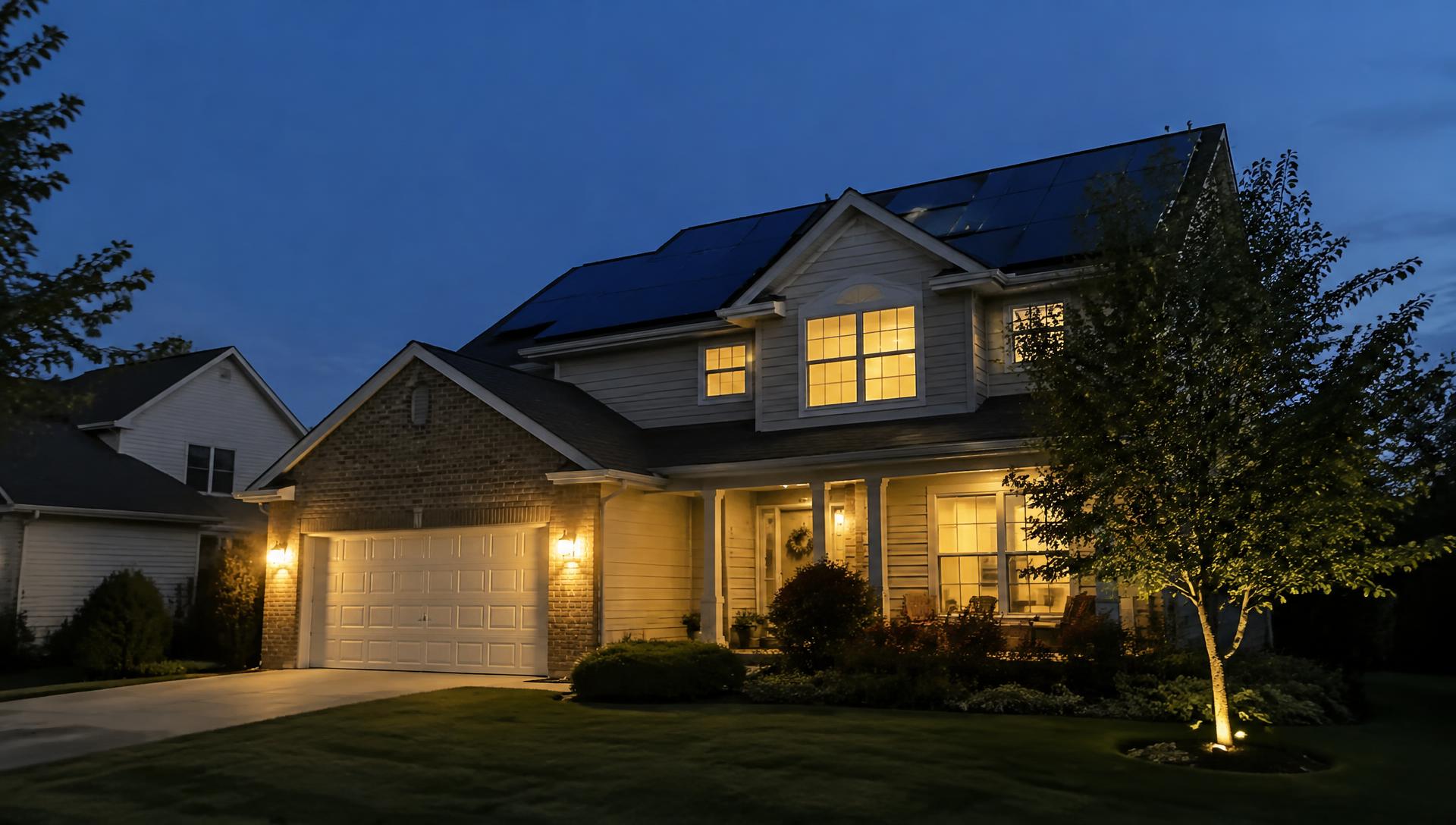
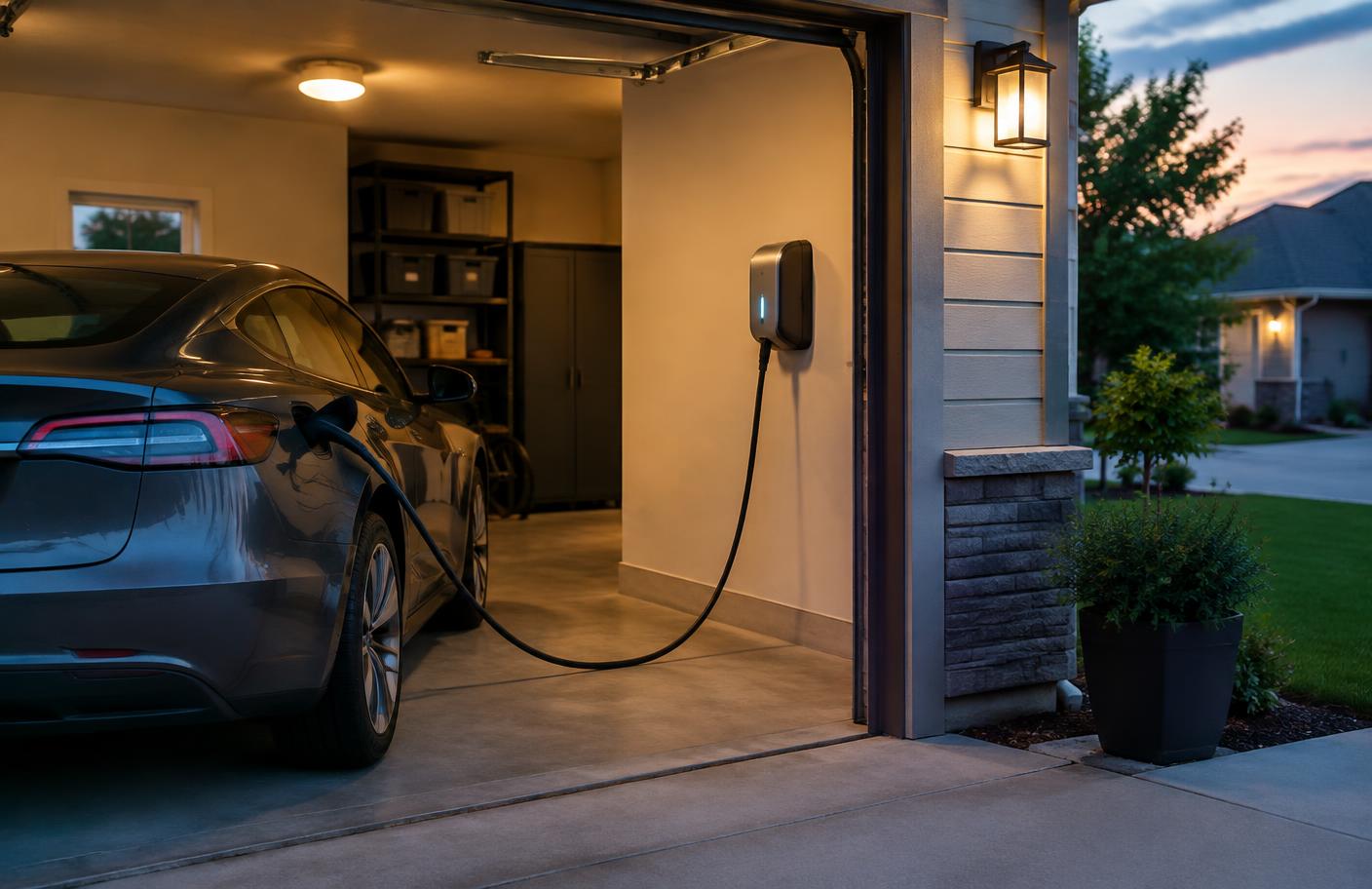
Level 1 vs Level 2
The two kinds of home charging
Level 1 uses a standard 120-volt outlet and the cord that came with the car. It is slow, often adding only a few miles of range per hour. It works for short daily commutes and plug-in hybrids.
Level 2 uses a 240-volt circuit, like an electric dryer or range, and a dedicated charger. It typically recharges most vehicles overnight. This is what most EV owners end up wanting.
The decision is less about the charger and more about your house: does your panel have the capacity and space for a new 240-volt circuit, where will the charger mount, and how far is it from the panel?
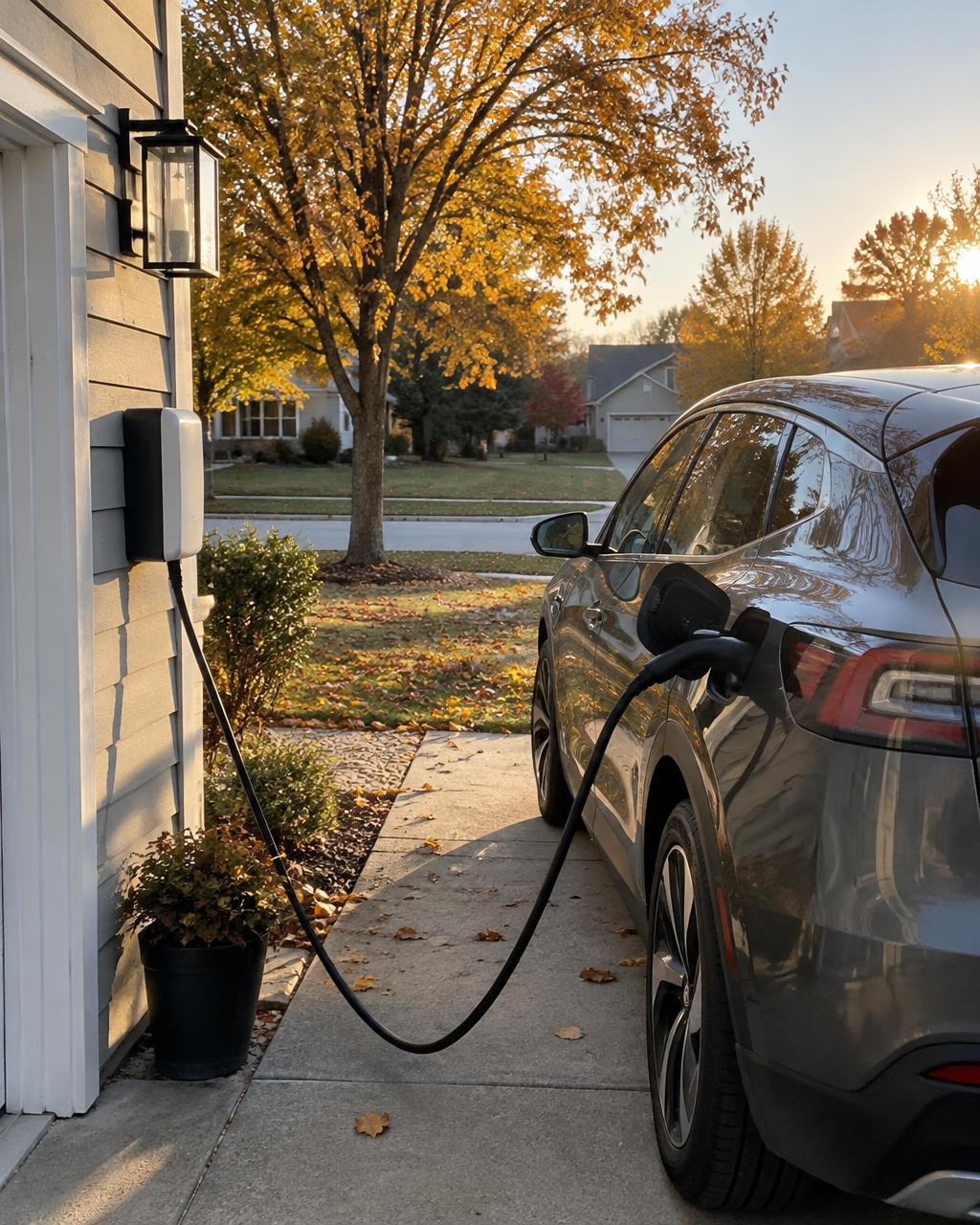
Your electrical panel
What your panel needs for a Level 2 charger
A Level 2 charger needs its own dedicated circuit, commonly 40 to 60 amps depending on the charger. Three things determine whether your home is ready:
Panel capacity. Older suburban homes often have 100-amp service. Adding a large new load may require a load calculation and sometimes a panel upgrade or a load-management device that shares capacity intelligently.
Physical space. The panel needs room for a new double-pole breaker.
Distance and route. A detached garage or a long run from the panel increases the work involved.
A licensed electrician performs the load calculation and the installation, and the municipality typically requires a permit and inspection. We explain what to expect so there are no surprises at the site survey.
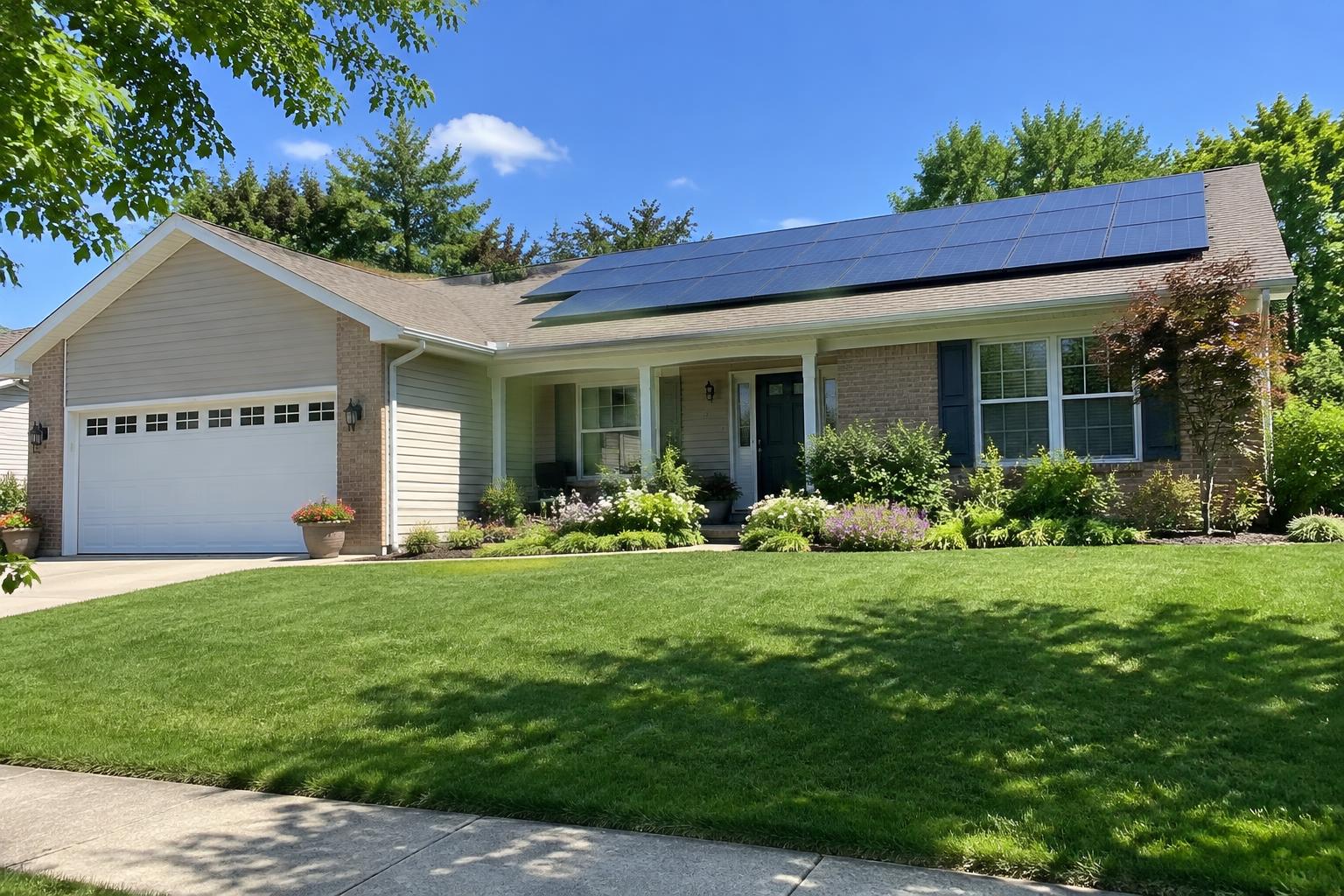
EV charging and solar
How an EV charger fits with a solar system
An EV is a large new electric load, often the largest in the house. That changes two things:
- System sizing. If you are considering solar, we account for expected charging in the usage review so the system is designed for the home you will have, not the one you had last year. See Residential Solar.
- When you charge. Daytime charging uses solar production directly. Overnight charging draws from the grid. For ComEd customers on hourly pricing, the hour you charge affects the supply price you pay. Some chargers can be scheduled; some can be set to follow solar production.
If you also want backup power, note that charging a vehicle from a home battery during an outage is usually not practical given the energy involved. See Battery Backup.
Chargers for businesses and multifamily
Workplace and multifamily charging
Employers, retail properties, and condo or apartment buildings face different questions: how many ports, who pays for the electricity, how access is controlled, and whether networked chargers are needed for billing. We cover this in the Commercial Solar consultation or on its own.
What the consultation covers
What you get from an EV charger consultation
- Which charging level fits your driving and your vehicle.
- What we can tell about your panel and service size from your information and photos, and what the electrician will confirm on site.
- Placement and cable-length considerations for your garage or driveway.
- How charging affects a solar design, if solar is on the table.
- A written summary. Equipment selection, pricing, and electrical work come from the licensed partner.
Who does what
Our role, and who performs the work
ISI Energy is the sales, education, and project-coordination company. All electrical work, including panel upgrades and charger installation, is performed by an independent, licensed partner. Full details: How It Works.
Frequently asked questions
EV charger questions
Do I need a Level 2 charger?
Most EV owners who drive daily end up wanting one, because it typically recharges a vehicle overnight. If you drive short distances or have a plug-in hybrid, a standard 120-volt outlet may be enough.
Will my electrical panel need an upgrade?
It depends on your service size, existing loads, and the charger you choose. A licensed electrician performs a load calculation to determine whether a panel upgrade or a load-management device is needed.
Can I charge my car from solar panels?
Yes, when the car is charging while the panels are producing. Overnight charging draws from the grid. Some chargers can be scheduled or set to follow solar production.
Does ISI Energy install EV chargers?
No. ISI Energy is a sales, education, and project-coordination company. Installation is performed by an independent, licensed electrical partner, which we identify to you before you sign anything with them.
Do I need a permit for an EV charger in Illinois?
Most municipalities in the Chicago suburbs require an electrical permit and inspection for a new 240-volt circuit. The licensed partner handles permitting as part of the installation.
Can a charger be installed in a detached garage?
Usually, yes. The distance from the main panel and the route for the wiring affect the scope of work, which the electrician confirms at the site survey.